The Hidden Cost of Traveling
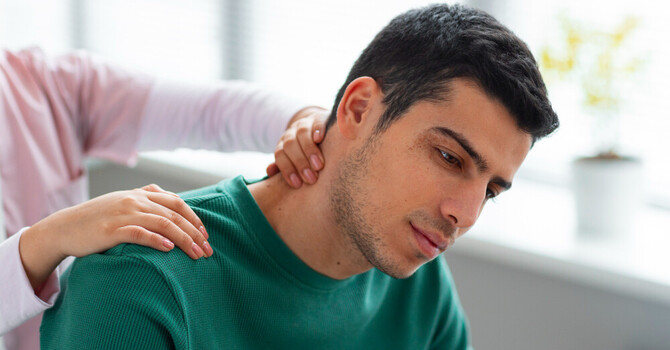
You’ve unpacked the suitcases, laundered the clothes, and caught up on emails. Vacation was wonderful—but as you settle back into your daily routine, you notice your neck is stiff, your lower back feels compressed, and your hips are tightly locked.
It’s one of travel’s ironic twists: returning from a restful trip feeling physically exhausted and creaky.
Whether you spent hours squeezed into an airplane seat, behind the wheel on a long highway drive, or sleeping on an unfamiliar hotel mattress, extended travel puts unique mechanical stresses on your spine and muscles.
1. What Is "Travel Body"?
Sitting for prolonged periods—especially in bucket-style car seats or cramped airplane cabins—places your body in a prolonged flexed state.
Here is what happens under the surface:
- Hip Flexor Shortening: Sitting keeps your hips bent at 90° for hours. Over time, your hip flexors tighten, pulling on your lumbar spine when you stand up and creating lower back aching.
- Spinal Compression: Lack of movement combined with vehicle vibration compresses the intervertebral discs, reducing fluid exchange and leaving joints feeling "stuck."
- Forward-Head Compensation: Looking down at inflight entertainment or staring at road lanes pulls your cervical spine forward, straining upper back and neck muscles.
2. The 3-Step Post-Travel Decompression Protocol
Before jumping straight back into heavy workouts or long desk shifts, give your body 24–48 hours to decompress with these three recovery steps:
- Rehydrate Your Discs: Altitude changes during flights and prolonged sitting dehydrate your tissues. Drink plenty of water accompanied by electrolytes to help restore disc cushion.
- Open the Anterior Chain: Spend 5 minutes lying on your back with a rolled-up towel placed lengthwise down your spine. Let your arms fall open to the sides in a "T" position to open your chest and hips.
- Low-Impact Movement: Take a gentle 20-minute walk. The alternating cross-body movement of walking hydrates spinal discs and gently mobilizes locked sacroiliac (SI) joints.
3. Why a Professional Realignment Accelerates Recovery
While stretching helps, significant joint restrictions or spinal misalignments caused by prolonged sitting often require manual therapy to unlock.
A post-vacation chiropractic or physiotherapy session helps:
- Restore Normal Joint Articulation: Unlocks restricted spinal segments and restores full range of motion.
- Release Deep Soft-Tissue Tension: Targets deep postural muscles (like the psoas and piriformis) that tighten during travel.
- Prevent Compensatory Injuries: Fixes minor tweaks before you resume your normal work and exercise routines.
Ready for Your Post-Vacation Reset?
Don't let physical stiffness ruin the mental relaxation you gained on vacation. Let our team at Integrated Health Centre help you transition smoothly back into your routine, pain-free.
[Click Here to Schedule Your Post-Vacation Realignment Visit Today]
Target Keywords: post-vacation stiffness, travel back pain, airplane posture recovery, chiropractic after travel, post-travel physio reset

.png)